



Match a Diwa Spin Game to the Minutes You Can Actually Spare
The Diwa Spin lobby is a shelf of formats. It is not a tip sheet, and fancyfonts.net will not point at a tile and call it due. Pick a format whose rules you have opened, decide how many minutes the visit lasts, and leave when that time is gone. A bright thumbnail is an advertisement for attention. The stake line inside the game is the part that can cost money.
Adults play. If you cannot name the time and the money before the first paid round, stay on this page and do not open a title yet.
Start from the clock, not from the art

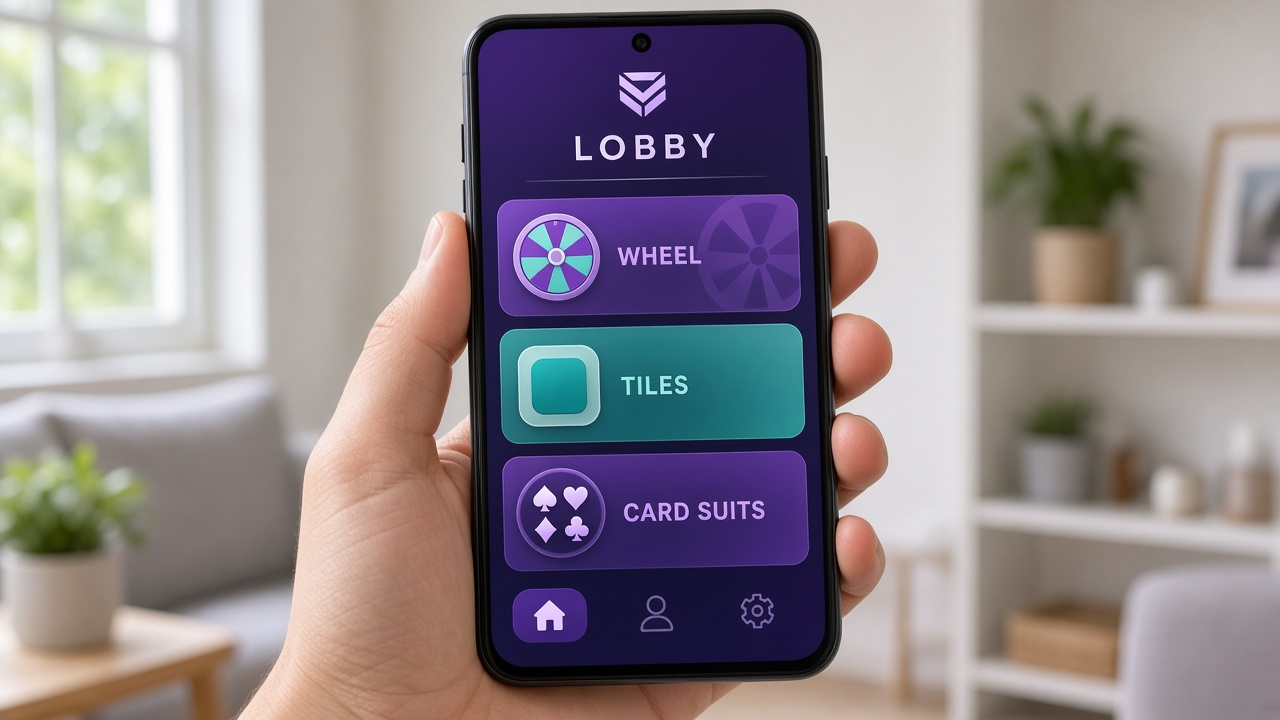
| Time you actually have | Format that usually fits |
| A few minutes between stops | A spin-style title with one main control |
| A short break at home | A casual board you can leave without a long hand |
| A longer, quiet stretch | A card layout, after you have read its rules |
| No time you can protect | No paid title. Close the lobby. |
The table is a planning aid, not a ranking. A short format can still be a paid round. A long format can still be left early. The point is to choose before the art chooses for you.
Spin-style titles
These games put the action near the thumb: a wheel, a set of symbols, or a single primary button on a portrait screen. They suit a commute only when the signal is steady. They suit a chair at home more often, because you can read the stake before you press. Two neighbouring tiles can look alike and still use different stakes, different bonus triggers, or different rules about what a spin costs. Open the information control inside the title you picked. Do not inherit the rules from the tile you almost opened.
Reel-style art can be busier than a wheel. Busy is not a sign of a better result. It is a sign you need a second look at the stake. If you cannot see the stake because a chat head or a banner covers it, move the overlay. Then decide.
Casual boards
Casual titles tend to ask for a small set of taps. They are reasonable when you want the visit to be easy to end. Easy to end is not the same as free. If a stake is shown, the round can cost money. Close YouTube, a hot WhatsApp call, and extra Chrome tabs first. A stutter on a warm phone tempts a second tap, and a second tap can be a second stake.
Number, puzzle or arcade-like boards may appear depending on what the lobby is showing today. Their presence on a given day is not a promise they will be there next week. Follow the labels you see.
Card layouts
Card formats put more on the glass: several cards, a pot, or a decision that is not one button. A larger Galaxy or a Redmi Note is more comfortable. A smaller phone still works if you accept that you must read more slowly. Do not flip the phone to landscape unless that title follows the rotation. A forced turn can hide the control you needed and leave you guessing.
Card games reward attention. If you are tired, in a moving auto, or talking, this is the wrong format for that moment. Come back when the screen can have your eyes.
Learn the lobby once, then stop touring
- Set the minutes before you scroll.
- Look at category labels rather than at the brightest art.
- Open one title and read its information screen.
- Check the stake that is actually selected, not the stake you remember from last time.
- Play only inside the minutes you set, then use the back or lobby control to leave.
Opening ten tiles “to see” is how a planned visit dissolves. One understood title is enough for a session. You can learn a second title on a different day.
The screen that appears after you open a tile
The thumbnail lied by omission. The first screen should tell you the stake, the main control, and where the rules sit. If it does not, go back. Look for a control that changes the stake before you accept the number that loaded by default. Defaults are not personalised to your limit. They are just defaults.
If a rules page is long, read the parts about what a round costs and how you stop. You do not need a full history of the theme. You do need to know how to leave.
When a game will not load
Check the signal before you blame the title. A jump from home Wi-Fi to Jio, Airtel or Vi can freeze a round. Wait until the icon is steady, then try once. If the phone is hot, close the video apps and give it a minute. An update can move a button. Follow the label in front of you, not a picture you saved last month.
If the title opens but the stake line is blank, do not tap the main control hoping the number will appear later. Back out. A blank stake is not a free round.
Rewards are not inside the tile
A game is not the welcome card. The ₹500 line, if your account has one, lives in the rewards area and names the conditions that count. Do not assume every title contributes. Do not raise a stake because you are “working toward” the card faster than your written limit allows. The card does not require you to ignore the limit. If the two conflict, stop and reread the card.
Phone conditions that change the round
Low storage makes the lobby hitch. Free some space before you play, not by deleting the only APK you trust in a panic, but by clearing caches of apps you do not need this hour. Battery saver modes on Redmi, POCO, Vivo, OPPO and Realme can dim performance and delay taps. A delayed tap that you repeat is a second instruction. If the phone is in a strict saver mode, leave the game until the mode is off.
Portrait is the natural way to hold most spin-style titles. A pop-up keyboard, a floating video, or a split screen will cover buttons. Use the phone as one full screen until you know the layout.
A stop you decided in advance
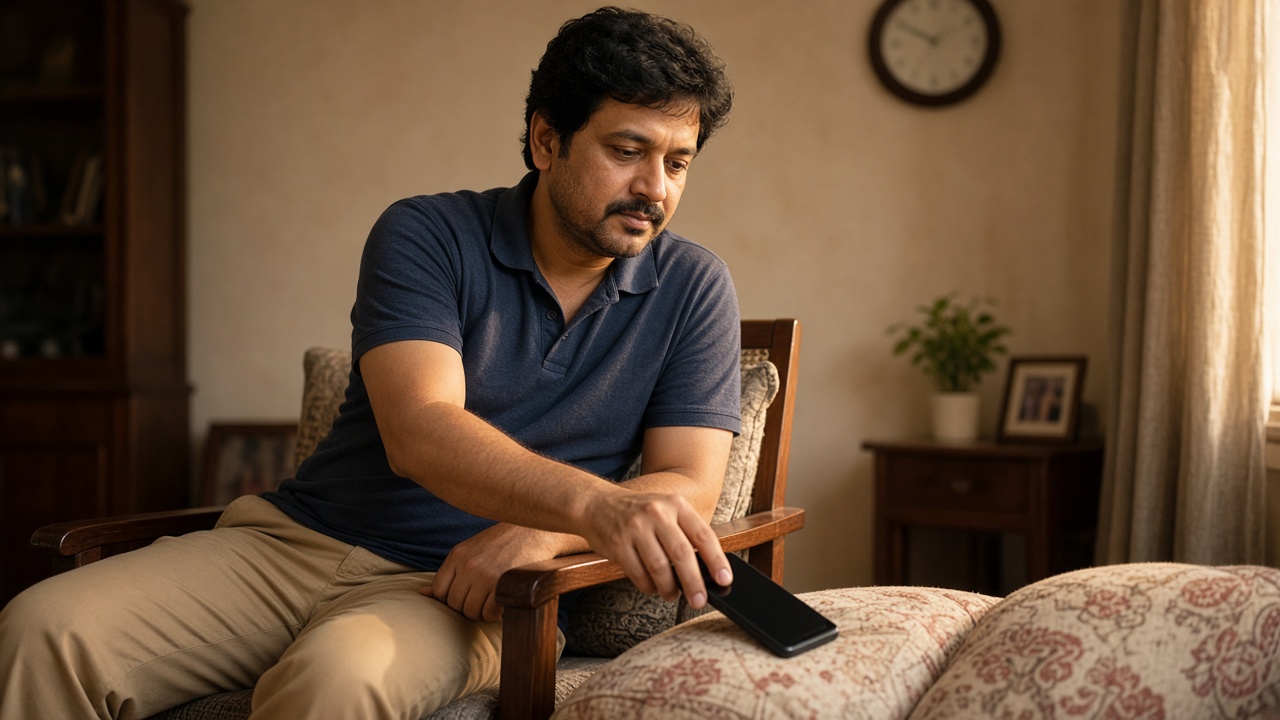
The hardest moment is the minute after a near result. That minute is why the clock was set before you opened the lobby. When the time is gone, leave, even if the last round felt close. Close the title, look once at the history if you need to, and sign out if the phone is shared. The lobby will still be there tomorrow. Your limit will not survive a negotiation with a bright tile.
A record of the visit that is not a highlight reel
If you want a record, write four plain facts after you leave the title: the name on the tile, the stake you actually used, the minutes you stayed, and whether you left because the clock ended. Skip screenshots of a single result. A single result is a bad teacher. The four facts tell you whether you followed the plan. If the minutes ran long, the next visit starts with a shorter clock, not with a different tile that looks calmer.
Do not post that record. A stake and a tile name are enough for a stranger to start giving you instructions. You do not need instructions. You need the stop you already chose.
Sound, brightness and a phone that invites extra taps
Turn the game sound down before you start if you are in a shared room. Loud wins and losses push people to continue. Lower brightness a little if the screen is the thing keeping you awake past the time you set. Neither change alters the odds. Both make it easier to notice the clock.
Haptics and flashy animations are also optional attention. If a title lets you reduce them, do that on the first visit so you can see the stake line without a distraction on every result. If it does not, the discipline has to sit with you: one tap, then look, then decide whether the visit is over.
Leaving a title that will not go back
Sometimes the back control seems to vanish inside a round. Use the lobby or home control the title itself shows, not the Android recents button, until you are sure the round has ended. Killing the app mid-round can leave you unsure whether the stake was taken. After you are out, open history once. If a line is there, that is the round. Do not open the title again to “finish” a hand you already left.
If the whole app has frozen, wait a few seconds, then close it from recents and reopen once. Sign in if asked. Check history before you place anything new. A freeze is a reason to end the session, especially on a hot phone or a moving signal.
Categories can move, so trust today’s labels
The lobby may regroup tiles after an update. A title you found under one heading last week may sit under another heading today, or it may be absent. Search or scroll once, and if it is gone, choose a different title whose rules you are willing to read. Do not install a second app because a favourite tile moved. Do not follow a comment that claims a hidden menu. The labels in front of you are the catalogue. A missing tile is not a fault you fix with a stranger’s APK.
Use the same restraint with “new” badges. New means recently added to the shelf, not recommended, and not due. Open the information screen as you would for any other title. If the stake or the rules are unclear, go back to the lobby and pick something plainer, or stop for the day.
Practice the exit before you care about the result
On the first visit to a title, find the way out before you commit a stake you would mind losing. Tap through to the information screen, find the control that returns to the lobby, and confirm you can see the clock you set. That rehearsal takes a minute and it removes the panic that keeps people inside a game because they cannot see how to leave. If the exit is unclear, the title is a poor choice for today. Go back to the shelf and choose a plainer one, or end the visit.
Repeat the rehearsal if an update changes the buttons. A control that used to sit at the corner may move. The minutes you set do not move with it. When they are gone, you leave by whatever control is now visible. If you cannot find one, close the app from the phone’s recents list and check history before you open anything else.
A visit you can leave is the only visit this page recommends. The art, the sound and the near results are all weaker than that fact. If you notice you are negotiating with yourself — one more minute, one smaller stake, one different tile — the negotiation is the signal to close the lobby. You already made the decision when you wrote the clock down. The rest is just noise from the screen. Stand up, lock the phone, and leave it in another room if that is what it takes to keep the promise you made while the glass was still dark. The catalogue does not expire because you skipped an evening. Tomorrow’s shelf will still be there, and it will still ask you to read a stake before you touch it. Skipping a night does not reduce a balance, and it does not create a better tile in the morning. Read the stake on that tile anyway.
Questions about play
1. Which game pays?
None that this page will name. Outcomes are not a pattern you can finish from a guide.
2. Are card games on the same lobby?
They may be listed beside spin-style and casual titles. Read that game’s own rules before you join a hand.
3. Can I play on mobile data?
Yes, when the connection stays still. A changing signal is a reason to pause, not to raise a stake.
4. The stake changed by itself.
Check whether you, a child, or a stray tap changed it. Set it again, or leave. Do not continue on a number you did not choose.
5. Should I chase a loss with a bigger round?
No. The minutes and the rupee cap you wrote down are the end of the visit.
Choose one format, read its stake, and leave on the clock you set. The lobby can wait.
18+ notice: Games are entertainment for adults. Set the time and the money before the first round. Never share a password so someone else can “play for you”.
Next: Diwa Spin Withdrawal